Introduction
One of the first questions many vehicle owners ask after installing paint protection film (PPF) is, “When can I wash my car?” Washing too soon can interfere with the adhesive curing process, while waiting too long may allow dirt, bird droppings, or bug residue to remain on the surface.
For most professionally installed PPF, it is generally recommended to wait at least 48 to 72 hours before washing the vehicle. Some installers may recommend waiting up to seven days depending on the film brand, weather conditions, and installation environment. Always follow the instructions provided by your installer because curing time can vary.
Actual performance varies by film type, product specification, installer quality, vehicle condition, and local climate.
Why You Shouldn’t Wash Your Car Immediately After PPF Installation
Although the film is installed securely, the adhesive underneath needs time to fully bond with the vehicle’s paint.
During the first few days after installation:
- Moisture trapped beneath the film continues to evaporate.
- Adhesive strength gradually increases.
- Film edges become more secure.
- Minor installation haze or bubbles may disappear naturally.
Washing the vehicle too early—especially with high-pressure water—can interfere with this process and may increase the risk of edge lifting.
According to 3M, newly installed paint protection film should not be washed immediately because the adhesive requires time to cure.
How Long Should You Wait?
Although recommendations vary slightly by manufacturer and installer, the following timeline is commonly suggested.
First 24 Hours
Avoid:
- Washing the vehicle
- Heavy rain if possible
- Pressure washing
- Touching or lifting film edges
The adhesive is still beginning to bond.
48–72 Hours
For many installations, this is the minimum waiting period before performing a gentle hand wash.
However, if temperatures are low or humidity is high, curing may take longer.
After One Week
Most professionally installed films have completed the majority of their initial curing process.
Normal washing can usually resume, although aggressive pressure washing near film edges should still be avoided.
Is Hand Washing Better Than Automatic Car Washes?
Yes.
A gentle hand wash is generally the safest option after PPF installation.
Use:
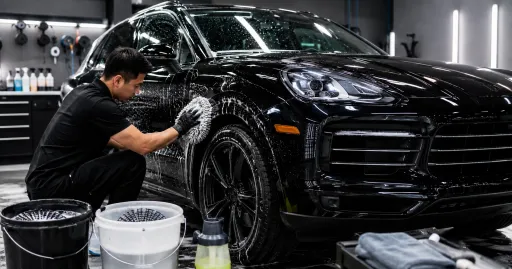
- A pH-neutral automotive shampoo
- Soft microfiber wash mitts
- Clean microfiber drying towels
- The two-bucket washing method
Hand washing allows you to avoid excessive pressure on film edges while reducing the risk of swirl marks.
For long-term care, you may also find this BEIKAER guide helpful:
Can You Use a Pressure Washer?
Eventually, yes—but not immediately.
Pressure washers themselves are not necessarily harmful to quality PPF when used correctly.
However, avoid:
- Spraying directly at film edges
- Holding the nozzle too close
- Using extremely high pressure
- Concentrating water on corners or seams
Improper pressure washing is one of the most common causes of edge lifting.
Once the film has fully cured, maintain a reasonable distance between the spray nozzle and the vehicle surface.
What If It Rains After Installation?
Many owners worry if it rains shortly after installing PPF.
Light rain generally will not damage properly installed film.
However, heavy contamination from muddy roads, road salt, or dirty rainwater should still be cleaned once the recommended waiting period has passed.
If your installer recommends keeping the vehicle indoors for the first day or two, follow those instructions whenever practical.
Can Bird Droppings Stay on Fresh PPF?
No.
Although you should avoid washing immediately, contaminants such as bird droppings, bug residue, and tree sap should not remain on the surface for long periods.
If necessary, gently remove fresh contamination using a soft damp microfiber cloth without excessive rubbing.
Avoid scrubbing aggressively during the curing period.
Common Mistakes After PPF Installation
Washing Too Soon
Many owners wash the vehicle the next day simply because it looks dusty.
This is usually unnecessary and may interfere with adhesive curing.
Using Automatic Brush Car Washes
Brushes can catch film edges and introduce unnecessary abrasion.
Touchless washes are generally safer than brush washes, but hand washing remains the preferred option.
Applying Wax Immediately
Avoid applying waxes, sealants, or ceramic coating until the installer confirms the film has cured sufficiently.
Some products may interfere with the curing process if applied too early.
Picking at Small Bubbles
Small moisture bubbles are common after installation.
In many cases, they disappear naturally over several days as moisture evaporates.
Do not puncture or press them aggressively.
How to Wash PPF Safely
Once your installer confirms the film has cured, follow these basic washing steps.
- Rinse loose dirt thoroughly.
- Wash using a pH-neutral shampoo.
- Use a clean microfiber wash mitt.
- Wash from top to bottom.
- Rinse completely.
- Dry using a clean microfiber towel.
Avoid abrasive brushes, harsh chemicals, and dirty towels.
Proper maintenance helps extend the appearance of both the film and your vehicle’s paint.
For more maintenance tips:
Does Weather Affect Curing Time?
Yes.
Temperature and humidity both influence adhesive curing.
Cool temperatures may extend curing time.
High humidity can slow moisture evaporation beneath the film.
Conversely, warm, dry conditions often allow the film to cure more quickly.
Your installer may adjust aftercare recommendations based on local climate.
Signs That Your PPF Has Fully Cured
Although every installation is different, common signs include:
- Film edges remain firmly bonded.
- Installation haze has disappeared.
- Moisture bubbles have faded.
- The film looks optically clear.
- The surface feels stable during washing.
If you notice significant lifting or large persistent bubbles, contact your installer instead of attempting repairs yourself.
FAQ
How long should I wait before washing my car after PPF installation?
Most installers recommend waiting 48 to 72 hours before washing your vehicle. Depending on weather conditions, film type, and installer recommendations, waiting up to one week may be advised. Always follow the aftercare instructions provided by your installer.
Can I drive my car after PPF installation?
Yes. Most vehicles can be driven immediately after installation. However, avoid unnecessary exposure to harsh conditions such as construction zones, gravel roads, or heavy pressure washing during the initial curing period.
Can I pressure wash new PPF?
Not immediately. Wait until the film has cured, then keep the spray nozzle at a safe distance and avoid directing high-pressure water toward film edges or seams.
What happens if I wash PPF too early?
Washing too soon may interfere with adhesive curing and increase the chance of edge lifting or premature film movement. Following the recommended waiting period helps ensure proper bonding.
Is hand washing better than automatic car washes?
Yes. Hand washing with pH-neutral soap, microfiber towels, and gentle techniques is generally the safest method for maintaining paint protection film.
Conclusion
Proper aftercare is just as important as professional installation. While it may be tempting to wash your vehicle immediately after installing PPF, allowing the adhesive enough time to cure helps ensure long-term performance and appearance.
For most vehicles, waiting at least 48 to 72 hours before the first gentle hand wash is a safe guideline. Continue using soft cleaning tools, avoid aggressive pressure washing around film edges, and follow your installer’s recommendations.
With the right maintenance, high-quality paint protection film can continue protecting your vehicle’s finish for years while keeping it looking its best.