
Introduction
Modern headlights are no longer simple replaceable bulbs inside inexpensive plastic housings. Many new vehicles use advanced LED, matrix, and adaptive lighting systems that can be expensive to repair or replace. This has made many owners ask a simple question: is headlight protection film worth it?
For most drivers who want to preserve the appearance and condition of their vehicle, headlight protection film can be a practical investment. A quality transparent TPU film can help protect headlight lenses from everyday hazards such as road debris, light scratches, stains, and environmental exposure while keeping the original appearance of the vehicle.
However, headlight film is not a guarantee against every type of damage. Large impacts, accidents, or severe damage can still affect the headlight assembly. The goal of headlight PPF is prevention and protection, not complete immunity.
Actual performance varies by film type, product specification, installer quality, vehicle glass, and local climate.
Why Are Modern Headlights More Expensive to Protect?
Older vehicles often used simple halogen headlights that were relatively inexpensive to replace. Today, manufacturers increasingly use LED systems with complex electronics, sensors, and integrated designs.
A damaged headlight may involve more than replacing a plastic lens. Some modern assemblies include control modules, adaptive movement systems, and specialized components. This is why many owners of premium vehicles and electric vehicles consider preventive protection before damage happens.
Recent automotive detailing discussions frequently focus on whether headlight film is worth adding, especially because owners are concerned about expensive LED headlight replacements and long-term appearance preservation. Reddit discussions in communities such as r/AutoDetailing show recurring questions about whether PPF can protect headlights from scratches, UV exposure, and aging.
What Is Headlight Protection Film?
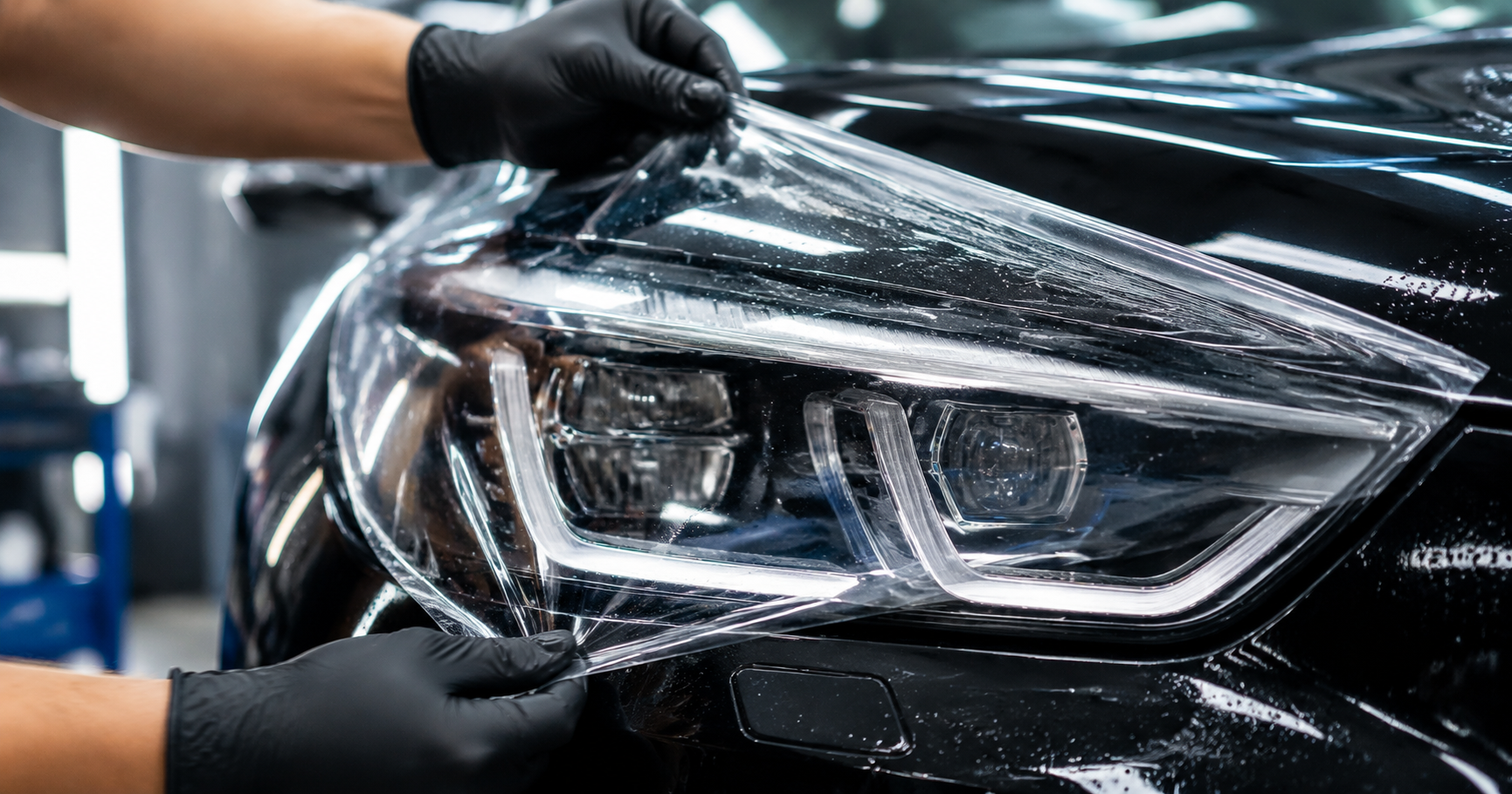
Headlight protection film is a transparent protective film applied directly to the headlight lens. It is usually made from polyurethane-based materials such as TPU, designed to provide a flexible protective layer while maintaining optical clarity.
Unlike spray coatings or temporary protectants, film creates a physical barrier between the headlight surface and external contaminants. It is removable and can usually be replaced if the film becomes damaged or aged.
Many automotive protection films are designed to help protect against:
- Small rock impacts
- Road debris
- Insect contamination
- Light scratches
- Environmental exposure
- Surface wear
For a dedicated headlight TPU film option, see BEIKAER.
Does Headlight PPF Prevent Yellowing?
One of the biggest reasons owners consider headlight protection film is preventing cloudy or yellow-looking headlights.
Headlight lenses can become aged due to a combination of UV exposure, weather conditions, chemicals, washing habits, and environmental contamination. A protective film can act as an additional barrier between the lens surface and external elements.
However, buyers should understand that film does not permanently stop all aging. The result depends on the quality of the film, installation, maintenance, exposure conditions, and the condition of the headlight before installation.
A common mistake is applying film over already damaged headlights. If the lens is already oxidized, cloudy, or heavily scratched, professional restoration may be needed before installing protection film.
Headlight Protection Film vs Ceramic Coating
Many owners compare headlight PPF with ceramic coating. Both can provide protection benefits, but they work differently.
Ceramic coatings create a thin protective surface layer that can improve hydrophobic properties and make cleaning easier. However, they do not provide the same physical thickness or impact protection as a film layer.
Headlight PPF provides a physical barrier that is better suited for protecting against small debris impacts and surface scratches. Ceramic coating can still be useful as an additional maintenance layer depending on the product and installation method.
The choice depends on your priorities:
Choose headlight PPF if you want:
- Physical impact protection
- Scratch resistance
- Long-term lens preservation
- A nearly invisible protective layer
Choose ceramic coating if you want:
- Easier cleaning
- Water repellency
- Surface enhancement
Some owners combine both solutions by applying ceramic protection over PPF for easier maintenance.
For a broader comparison of automotive protection technologies, see BEIKAER.
Clear Film vs Tinted Headlight Film
Headlight film is available in different styles, including clear and tinted versions.
Clear headlight protection film is the most common choice because it focuses on preserving the original appearance and maintaining maximum light output.
Tinted or colored headlight films are sometimes used for styling purposes. However, drivers should consider local regulations before applying any film that changes headlight appearance or light transmission.
For daily vehicles, especially newer cars with advanced lighting systems, clear TPU film is usually the most practical option because it protects without significantly changing the factory design.
Benefits of Installing Headlight Protection Film
1. Protects Against Road Debris
Highway driving exposes headlights to small stones, sand, and road debris. While no film can prevent every possible impact, a protective layer can reduce the chance of surface damage from everyday driving conditions.
This is especially valuable for vehicles frequently driven on highways, rural roads, or areas with gravel and construction zones.
2. Helps Maintain Vehicle Appearance
Headlights play an important role in the overall appearance of a vehicle. Cloudy, scratched, or damaged headlights can make an otherwise well-maintained car look older.
Protecting headlights from the beginning helps maintain a cleaner appearance, especially for owners who keep vehicles for many years.
3. Supports Resale Value
Exterior condition influences how buyers perceive a used vehicle. Clean headlights can contribute to a better overall impression during resale or trade-in evaluations.
While film alone does not guarantee a higher resale price, preserving original components can help maintain vehicle condition.
4. Easier Maintenance
Many modern protective films include hydrophobic properties that can make cleaning easier. Dirt, insects, and road contaminants may be easier to remove when they are sitting on a protected surface rather than directly on the headlight lens.
Is Headlight Protection Film Worth It for Every Vehicle?
Not every vehicle owner needs headlight PPF. The value depends on the vehicle, driving environment, and ownership plans.
Headlight film may be especially worthwhile for:
- New vehicles
- Luxury cars
- Electric vehicles with expensive LED systems
- Vehicles driven on highways frequently
- Cars kept outdoors
- Owners planning long-term ownership
For an older budget vehicle with inexpensive replacement parts, the cost-benefit calculation may be different.
The decision should consider the replacement cost of the headlight, driving conditions, and how much you value maintaining the vehicle’s original appearance.
Common Mistakes When Installing Headlight Film
Installing Film on Damaged Lenses
Protection film cannot hide serious oxidation or deep scratches. Installing film over a damaged surface may lock in imperfections.
Choosing Poor Quality Film
Low-quality films may have problems with clarity, adhesion, aging, or appearance. Material quality matters because headlights require optical transparency.
DIY Installation Without Experience
Headlights often have complex curves, edges, and shapes. Poor installation can create wrinkles, contamination, lifting edges, or visible seams.
Professional installation helps ensure proper alignment and long-term appearance.
Ignoring Maintenance
Like other automotive protection products, headlight film still requires proper care. Avoid abrasive cleaning methods and harsh chemicals that can damage the film surface.
For more information about maintaining automotive protection films, see BEIKAER.
Headlight Protection Film Maintenance Tips
Maintaining headlight film is relatively simple:
- Wash with normal automotive cleaning methods
- Avoid abrasive scrubbers
- Remove insect residue and contaminants regularly
- Use soft microfiber towels
- Avoid harsh chemicals
- Inspect edges periodically
If the film becomes damaged, replacing the film section is usually easier than replacing the entire headlight assembly.
FAQ
Is headlight protection film worth it?
For many new and expensive vehicles, headlight protection film can be worth considering because headlights are costly components and vulnerable to road damage. The value depends on the vehicle, driving conditions, and ownership plans. Drivers who frequently travel on highways, keep cars outdoors, or own vehicles with expensive LED lighting systems may benefit most from installing protective film.
Does headlight PPF stop headlights from turning yellow?
Headlight PPF can help reduce exposure to environmental factors that contribute to aging, but it does not guarantee that headlights will never yellow. Film performance depends on material quality, installation, maintenance, and climate conditions.
Can headlight film reduce brightness?
A properly installed clear headlight protection film is designed to maintain optical clarity. However, product quality, installation quality, and film type can affect appearance and light transmission. Always choose a film designed specifically for automotive headlights.
Can I install headlight protection film myself?
DIY installation is possible for experienced installers, but headlights often have complicated curves and edges. Professional installation can reduce risks such as bubbles, wrinkles, contamination, and poor alignment.
How long does headlight protection film last?
The lifespan depends on film quality, exposure, maintenance, installation, and climate. Actual durability varies by product specification and environmental conditions.
Conclusion
Headlight protection film is becoming increasingly popular because modern headlights are more advanced and more expensive than before. A quality TPU film provides a nearly invisible layer of protection that helps defend against everyday road hazards while preserving the vehicle’s appearance.
While no protective product can prevent every type of damage, headlight PPF offers a practical solution for owners who want to maintain their vehicle’s condition, especially on new cars, luxury vehicles, and long-term ownership projects.
Choosing the right film, professional installation, and proper maintenance are the key factors that determine whether headlight protection film delivers long-term value.