
Introduction
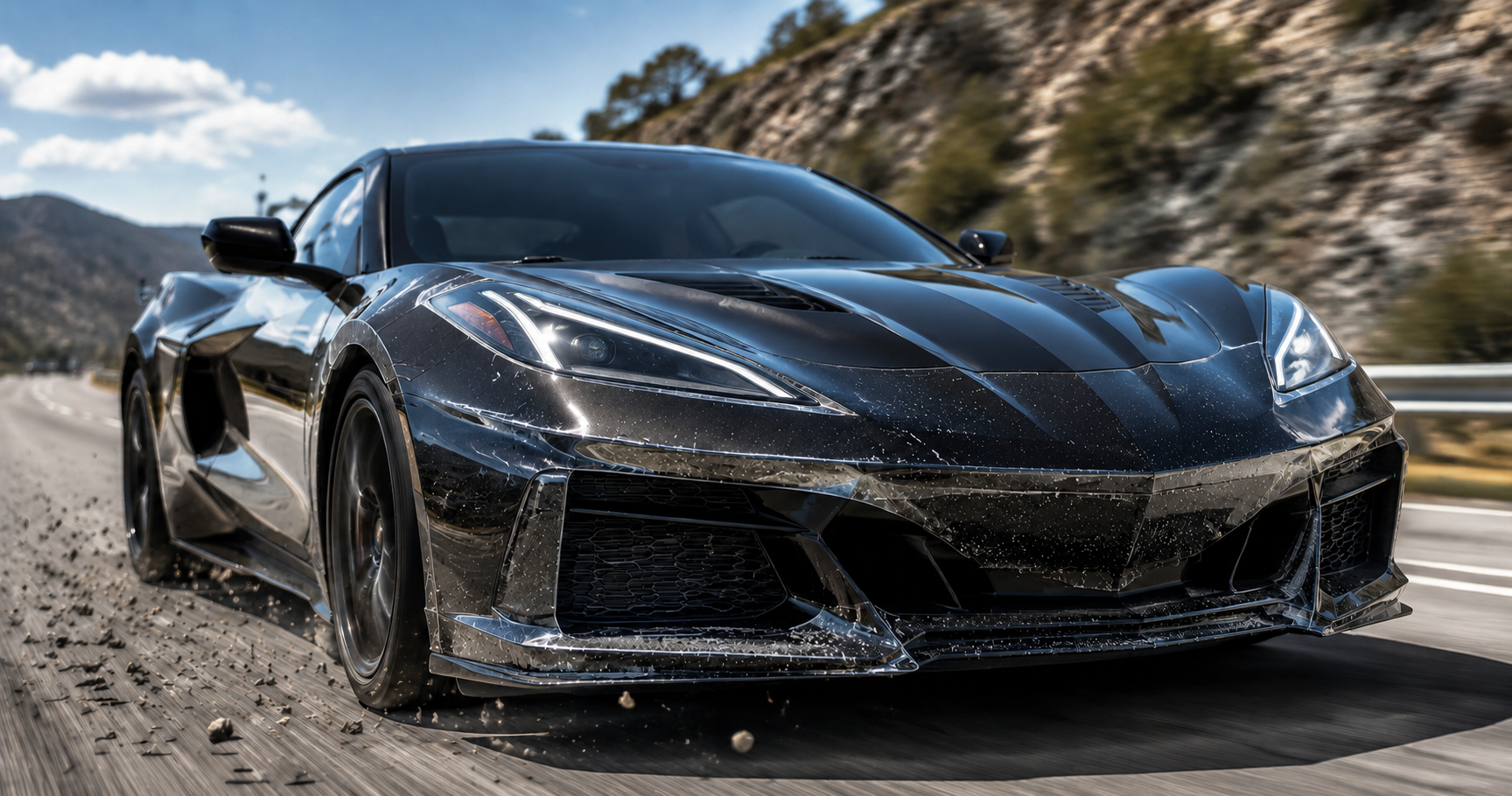
Rock chips are one of the most common reasons vehicle owners consider paint protection film (PPF). A small stone hitting your hood or bumper at highway speed can remove paint, expose the surface underneath, and create expensive repair work.
So, does PPF prevent rock chips?
PPF can significantly reduce the risk of paint damage from many small road impacts by creating a durable protective layer between the vehicle’s paint and external hazards. However, it does not make the vehicle completely immune to damage. Large impacts, extreme conditions, or severe collisions can still damage the film and the paint underneath.
For drivers who frequently use highways, travel on gravel roads, or own vehicles with expensive paint finishes, PPF remains one of the most practical ways to preserve original paint.
Actual performance varies by film type, product specification, installer quality, vehicle condition, driving environment, and local climate.
Why Do Rock Chips Damage Car Paint?
Rock chips happen when small pieces of road debris strike the vehicle surface with enough force to break or remove paint.
Common sources include:
- Gravel from trucks
- Road construction debris
- Loose stones
- Sand and dirt kicked up by tires
- Highway debris
The front of the vehicle receives the highest risk because it directly faces incoming debris.
The most vulnerable areas usually include:
- Front bumper
- Hood
- Front fenders
- Side mirrors
- Lower rocker panels
Once paint is chipped, the exposed area can become more vulnerable to corrosion, staining, and further cosmetic damage depending on conditions.
How Does PPF Help Protect Against Rock Chips?
Paint protection film works as a physical barrier placed over the original paint, helping protect vehicle finishes from road debris, stone chips, and environmental exposure. According to 3M Paint Protection Film, PPF is designed to help protect vehicle surfaces from scratches, chips, and outdoor hazards.
When debris impacts the vehicle, the film absorbs and distributes some of the impact energy before it reaches the paint surface.
A quality PPF system typically includes:
- A flexible polyurethane layer
- Strong adhesive backing
- Protective top coating
This combination helps the film resist everyday road hazards while maintaining optical clarity.
Unlike ceramic coating, which mainly improves surface properties, PPF provides a physical layer between the environment and the paint.
For more information about the difference between PPF and ceramic coating:
Does PPF Completely Stop Rock Chips?
No.
PPF reduces the chance of rock chip damage, but it does not guarantee complete protection.
PPF can reduce the risk of paint damage, but it cannot prevent every type of impact. According to XPEL Paint Protection Film, protection performance depends on factors such as film technology, installation quality, and real-world driving conditions.
For example:
A small stone hitting a hood at moderate speed → PPF may prevent paint damage.
A large sharp object hitting the vehicle at high speed → The film may be damaged.
The goal of PPF is not to make the vehicle indestructible. The goal is to reduce common paint damage and preserve the original finish.
Why Front-End PPF Is So Popular
Most buyers do not install PPF randomly. They focus on areas where damage happens most often.
Front Bumper
The front bumper is usually the first point of contact with road debris.
It collects:
- Rock chips
- Bug residue
- Road tar
- Small scratches
Because bumpers are frequently repainted after damage, protecting them early can help maintain the original factory finish.
Hood
The hood is one of the most visible areas of a vehicle.
Small chips are especially noticeable on:
- Black paint
- Dark metallic colors
- Luxury vehicles
- Performance cars
Full hood PPF can provide cleaner long-term appearance compared with partial coverage.
Side Mirrors
Side mirrors sit directly in the path of flying debris.
They are small but highly exposed areas that are often included in front-end PPF packages.
Front Fenders
Front fenders can receive debris from tires and passing vehicles.
Protecting these areas helps maintain a consistent appearance across the front of the vehicle.
Full Front PPF vs Partial PPF for Rock Chips
When choosing PPF coverage, many customers compare partial front coverage with full front coverage.
Partial PPF usually covers:
- Part of the hood
- Part of the fenders
- Front bumper
- Mirrors
The lower cost can be attractive, but visible film lines may appear on the hood.
Full front PPF usually covers:
- Entire hood
- Entire front fenders
- Full bumper
- Mirrors
For new vehicles, luxury vehicles, and owners who want a cleaner appearance, full front coverage is often preferred.
For a detailed comparison:
Is PPF Worth It for Highway Driving?
Highway driving increases the risk of rock chips because vehicles travel at higher speeds and encounter more road debris.
PPF is especially worth considering if you:
- Drive long distances regularly
- Commute on highways
- Follow trucks frequently
- Travel through construction areas
- Own an expensive vehicle
A single paint repair may cost more than many owners expect, especially on specialty finishes or luxury vehicles.
PPF is not only about preventing visible damage. It is also about preserving the original factory paint.
Does Ceramic Coating Prevent Rock Chips?
No.
Ceramic coating can provide benefits such as:
- Easier cleaning
- Water repellency
- Surface enhancement
However, it does not create the same physical protective layer as PPF.
A ceramic coating may help protect against some environmental contamination, but it is not designed to absorb stone impacts.
For rock chips, PPF is the more suitable protection option.
Can Self-Healing PPF Repair Rock Chip Damage?
Self-healing PPF is designed to reduce the appearance of certain light scratches and surface marks.
However, self-healing technology does not mean the film can repair every type of damage.
A rock impact that cuts through the film or creates a puncture will not automatically disappear.
The self-healing feature mainly applies to minor surface imperfections caused by everyday contact.
Learn more:
What Makes a Good Rock Chip Protection Film?
Not all films perform the same.
Important factors include:
Film Material
TPU-based PPF is commonly chosen because it offers flexibility and durability compared with older film materials.
More about TPU film:
Installation Quality
Even premium film depends on proper installation.
Poor installation can cause:
- Edge lifting
- Visible contamination
- Uneven appearance
- Reduced long-term performance
Maintenance
PPF still requires proper care.
Owners should:
- Wash with safe products
- Avoid abrasive tools
- Remove contamination regularly
- Follow installer recommendations
How Long Does PPF Protect Against Rock Chips?
PPF durability depends on film quality, installation, environmental exposure, and maintenance habits. LLumar Paint Protection Film recommends proper care and maintenance to help preserve the appearance and performance of paint protection film over time.
A properly maintained film can continue protecting the paint for years, but no protective product lasts forever.
Actual durability varies by product specification and environmental conditions.
Common Mistakes After Installing PPF for Rock Chip Protection
Assuming PPF Makes Paint Damage Impossible
PPF reduces risk but does not eliminate every type of damage.
Choosing Only the Cheapest Coverage
The lowest-cost option may leave important impact areas exposed.
Ignoring Maintenance
Dirty or contaminated film can become harder to maintain over time.
Installing Over Damaged Paint
PPF protects existing paint condition. It does not repair deep chips, scratches, or defects underneath.
FAQ
Does PPF prevent rock chips?
PPF can help reduce rock chip damage by creating a protective barrier over the vehicle’s paint. It absorbs and distributes some impact energy from road debris, helping protect high-risk areas such as the hood, bumper, mirrors, and fenders. However, it cannot prevent every type of impact damage, especially from large or high-force objects.
Is PPF worth it for highway driving?
Yes, many highway drivers find PPF worthwhile because high-speed driving increases exposure to road debris. Front-end PPF is especially popular among commuters, luxury vehicle owners, and sports car owners who want to preserve factory paint.
What parts of a car should get PPF first?
The highest-priority areas are usually the front bumper, hood, fenders, and mirrors because they receive the most road impact. Additional areas such as rocker panels and rear wheel areas may also benefit depending on driving conditions.
Can ceramic coating stop rock chips?
No. Ceramic coating does not provide the same physical protection as PPF. It can improve surface maintenance and water behavior but cannot absorb stone impacts.
Does thicker PPF protect better from rocks?
Thickness is only one factor. Overall protection depends on film material, construction, adhesive technology, installation quality, and maintenance. A high-quality film with professional installation is more important than thickness alone.
Conclusion
Rock chips are one of the most common forms of vehicle paint damage, especially for drivers who spend significant time on highways or open roads.
While PPF cannot prevent every possible impact, it provides one of the most effective ways to reduce rock chip damage and preserve original paint.
For many vehicles, protecting high-impact areas such as the hood, bumper, fenders, and mirrors offers excellent value. Combined with proper maintenance and professional installation, paint protection film can help keep a vehicle looking newer for longer.